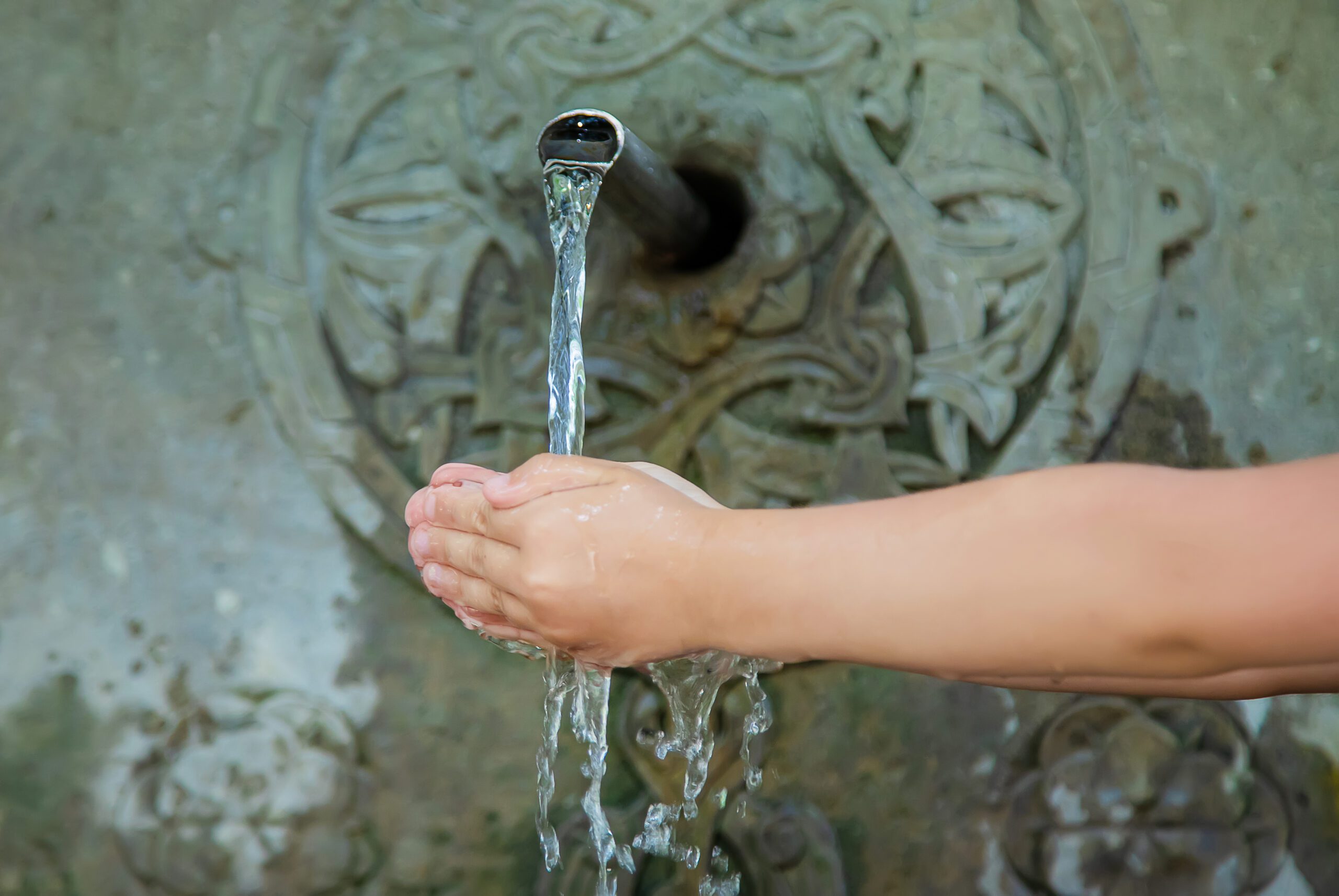
Water is one of the most essential elements for life on Earth. From drinking and bathing to agriculture and manufacturing, every part of human existence depends on access to clean, usable water. Yet despite its critical importance, millions of gallons of water are wasted every single day—often without us even noticing.
As global populations rise and climate change intensifies, water scarcity is becoming a serious threat for many regions around the world, including parts of Africa, Asia, and even urban cities in developed countries. It’s no longer just a “developing world” problem. Everyone must now take responsibility to conserve this precious resource.
This blog aims to raise awareness about the importance of water conservation and offer practical, effective strategies that anyone can adopt to prevent water waste at home, in the workplace, and in the community.
Why Water Conservation Matters
Before diving into how to save water, let’s understand why it’s so critical:
1. Limited Freshwater Resources
Only about 2.5% of the Earth’s water is fresh, and most of it is locked in glaciers or underground. Less than 1% is accessible for drinking, farming, and household use.
2. Growing Demand
With global population expected to exceed 9 billion by 2050, water demand will skyrocket—particularly in agriculture and industry.
3. Climate Change
Extreme weather events, rising temperatures, and altered rainfall patterns are affecting freshwater availability.
4. Cost and Energy
Water processing, treatment, and transportation use a significant amount of energy and infrastructure. Wasting water also means wasting energy.
Everyday Habits to Prevent Water Waste
1. Fix Leaks Immediately
A dripping faucet may not seem like much, but it can waste over 3,000 gallons of water a year. Similarly, a leaking toilet can waste hundreds of liters per day. Regularly check taps, pipes, and fixtures for leaks and repair them promptly.
2. Turn Off Taps When Not in Use
This is a basic but powerful habit:
-
Don’t leave the tap running while brushing your teeth or washing your hands.
-
Turn off the faucet while scrubbing dishes, then rinse all at once.
-
Use a bucket instead of running water when washing your car.
3. Install Water-Saving Fixtures
Switch to low-flow showerheads, dual-flush toilets, and aerators on faucets. These fixtures significantly reduce water flow without compromising performance.
4. Take Shorter Showers
Reducing your shower time by just 2 minutes can save up to 150 gallons of water per month. Consider using a timer or a water-efficient showerhead that reduces usage automatically.
5. Run Full Loads Only
Operate your dishwasher and washing machine only with full loads. Modern machines are designed to optimize water usage—but only when used efficiently.
6. Reuse Greywater
Water from washing machines, sinks, and showers (not toilets) can be reused for gardening or flushing toilets. Setting up a greywater system in your home can reduce overall water usage by 30–50%.
Outdoor Water Conservation Tips
1. Water Plants Wisely
-
Water early in the morning or late in the evening to reduce evaporation.
-
Use drip irrigation or soaker hoses instead of sprinklers.
-
Plant native or drought-resistant plants that require less water.
2. Harvest Rainwater
Install rain barrels to collect rainwater from rooftops and use it for gardening or outdoor cleaning.
3. Avoid Hosing Down Driveways
Use a broom to clean sidewalks and driveways instead of hosing them down. This saves gallons of water per use.
4. Check Outdoor Faucets and Sprinklers
Leaks or misdirected sprinklers can waste vast amounts of water. Adjust them to avoid watering pavement or driveways.
In the Kitchen
1. Don’t Thaw Food with Running Water
Instead, thaw frozen items in the fridge overnight or use the microwave.
2. Use a Basin for Washing
When washing fruits and vegetables, use a basin rather than letting the tap run. Use the leftover water for plants.
3. Compost Instead of Using a Garbage Disposal
Food disposals use a lot of water. Composting not only saves water but also enriches your soil.
In the Bathroom
1. Install a Dual-Flush Toilet
This allows you to use less water for liquid waste and more for solid waste. If that’s not possible, place a filled water bottle in your toilet tank to reduce the amount used per flush.
2. Limit Flushing
Don’t use the toilet as a trash can. Flushing tissues, cotton balls, or insects wastes water and can clog plumbing.
Educate and Advocate
Water conservation goes beyond personal responsibility. Here’s how you can influence your community:
1. Educate Others
Talk to your family, friends, and neighbors about the importance of saving water. Start conversations at schools, workplaces, and community centers.
2. Encourage Water Audits
Many local municipalities or NGOs offer free water audits to help households identify inefficiencies. Request one and encourage others to do the same.
3. Support Water-Conscious Policies
Vote for local leaders and policies that prioritize water infrastructure, regulation of industries, and urban planning with water efficiency in mind.
Water-Wise Technology and Innovations
Technology can be an ally in water conservation. Some innovations include:
-
Smart Irrigation Systems: These adjust watering schedules based on weather and soil moisture.
-
Leak Detectors: These devices alert you when leaks are detected in your plumbing.
-
Water-Efficient Appliances: Look for the WaterSense or Energy Star labels when buying washing machines, dishwashers, or toilets.
Case Studies: Water Conservation in Action
1. Cape Town, South Africa
In 2018, Cape Town faced a severe water crisis with the threat of “Day Zero”—when taps would run dry. Strict measures and community action reduced water usage by over 50%, showing that collective effort works.
2. Singapore
Singapore recycles water through advanced purification systems (called NEWater) and promotes rainwater harvesting. The city-state is now a global leader in sustainable water management.
3. Rural India
In many parts of India, community-driven initiatives like check dams, rainwater harvesting, and sustainable farming have revived dried-up rivers and improved water availability.
Every Drop Counts
Water may seem abundant, but clean, usable freshwater is dangerously scarce in many parts of the world. The water that flows from your faucet has gone through a long journey—through rivers, pipes, treatment plants, and pumps. It is precious.
Being mindful of how you use it is not just an environmental responsibility—it’s a moral one. When you save water, you:
-
Reduce your bills,
-
Conserve energy,
-
Support ecosystems,
-
And ensure future generations can thrive.
So next time you reach for that tap or start your shower, pause and ask yourself: Is this water really being used wisely? The smallest habits, repeated daily, can lead to powerful change.
Leave a Comment